For composers
Resources for composers & producers.
I’ve put together a collection of resources for composers and music producers, focused mainly on scoring for picture: film, animation, games and media. You’ll find everything from the essential gear for your studio to my recommendations for virtual instruments and some truly fascinating books.
This is the gear I actually use every day, plus a few alternatives I recommend depending on your budget and setup.
Some links on this page are affiliate links. More details at the bottom of the page.
01 — Gear
My Setup
MIDI Keyboards
The keyboard is where you write and perform every part, so a good keybed makes your mockups much more expressive.
-
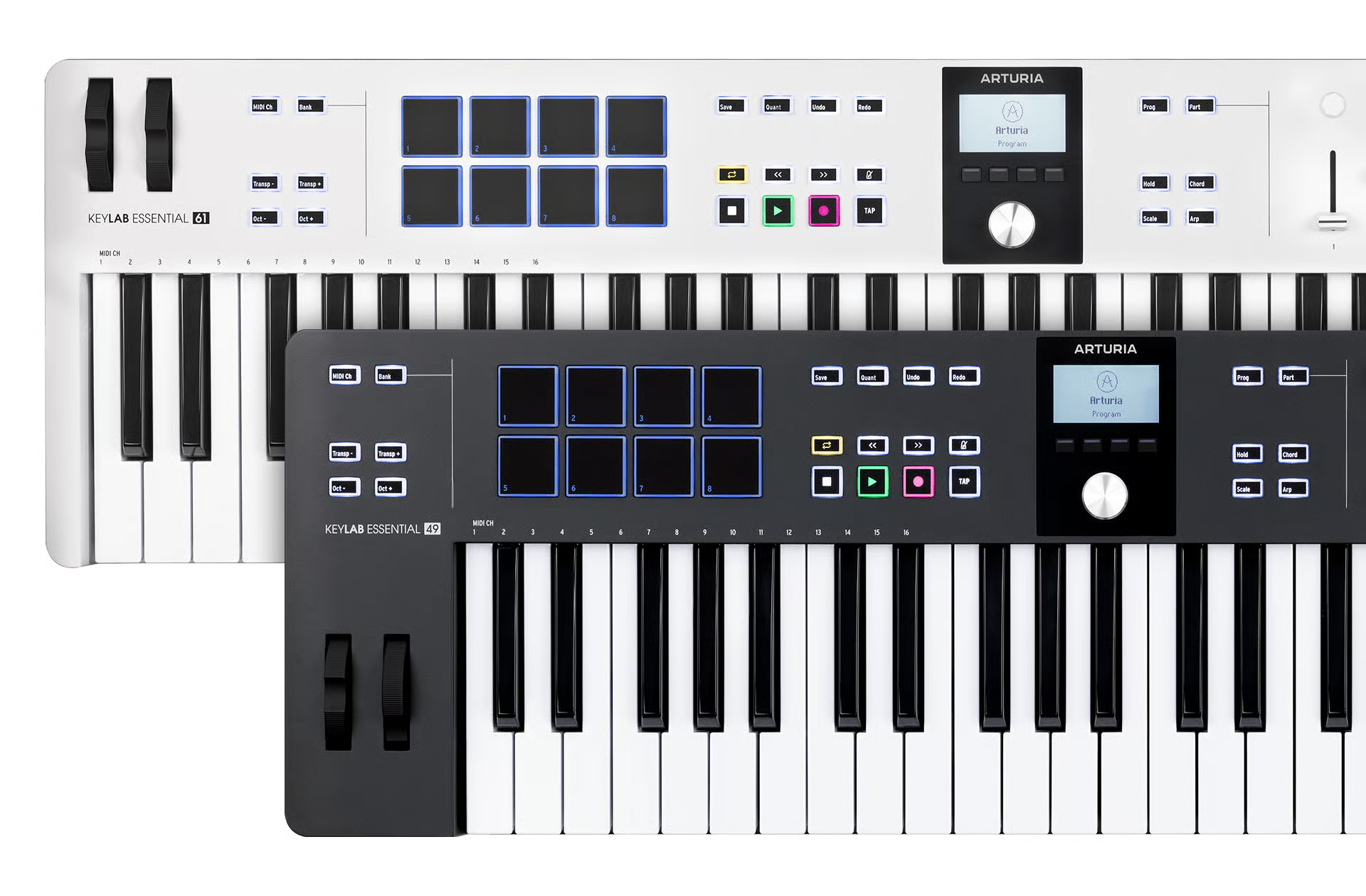
Arturia KeyLab 61 mk3 I use this
View on Amazon →A premium 61-key keyboard with great feel, plus faders and knobs for controlling your instruments.
-
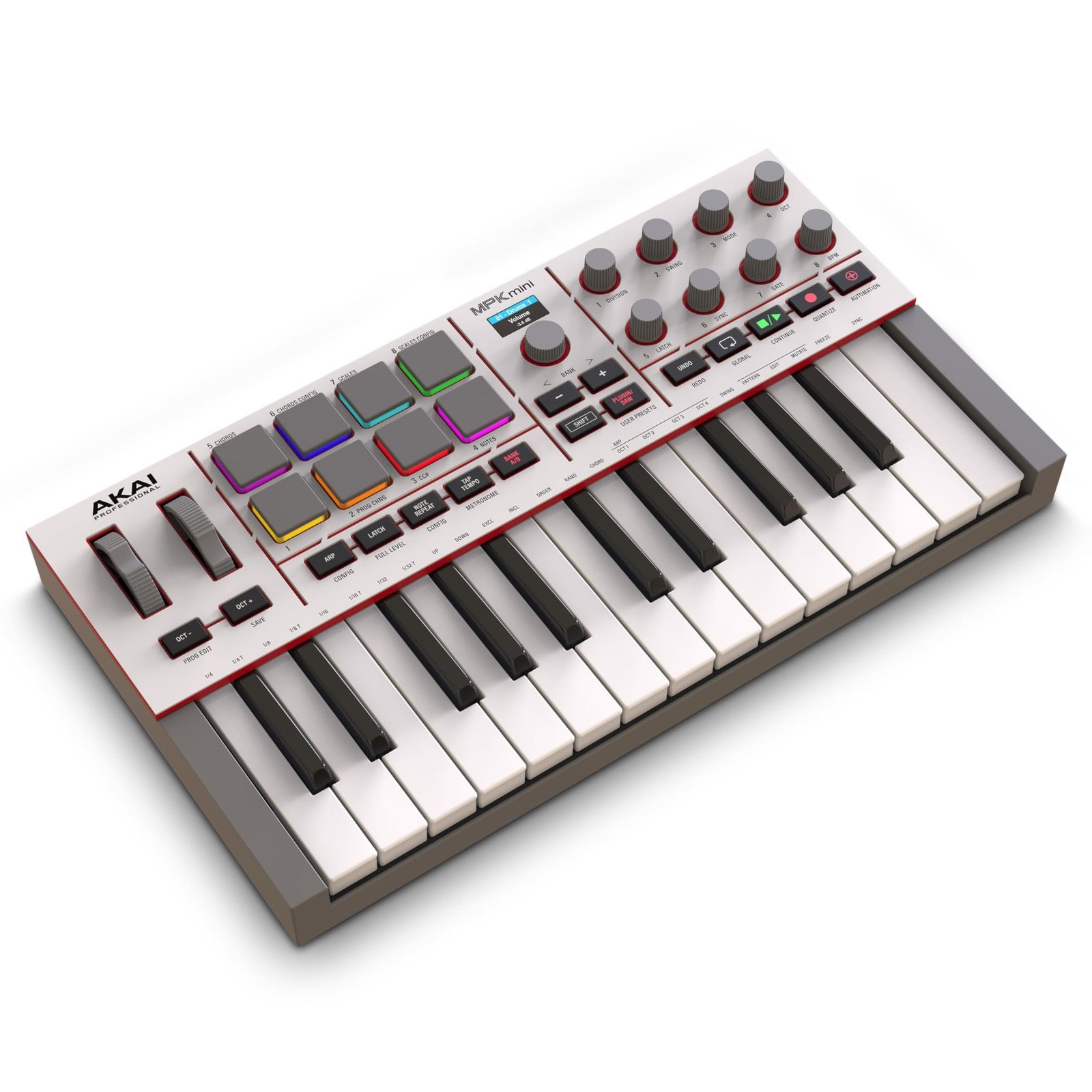
Akai MPK Mini IV I use this
View on Amazon →A tiny 25-key controller, perfect for small desks or for working on the go.
MIDI Controllers (Faders)
Faders let you “play” dynamics, expression and vibrato in real time. This is the secret to making orchestral libraries sound alive instead of robotic.
-
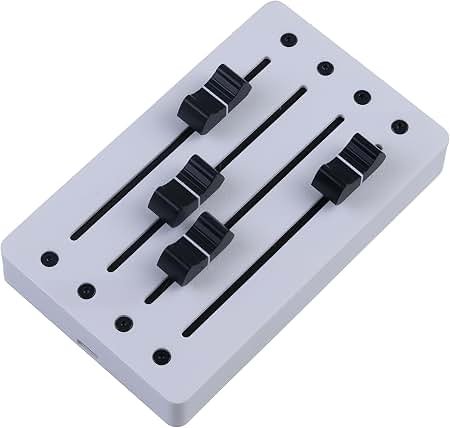
MKPARTY 4-Fader MIDI CC Controller
View on Amazon →A compact, budget-friendly option with 4 faders. Enough to control dynamics, expression and vibrato at the same time. USB-powered and works with any DAW.
-
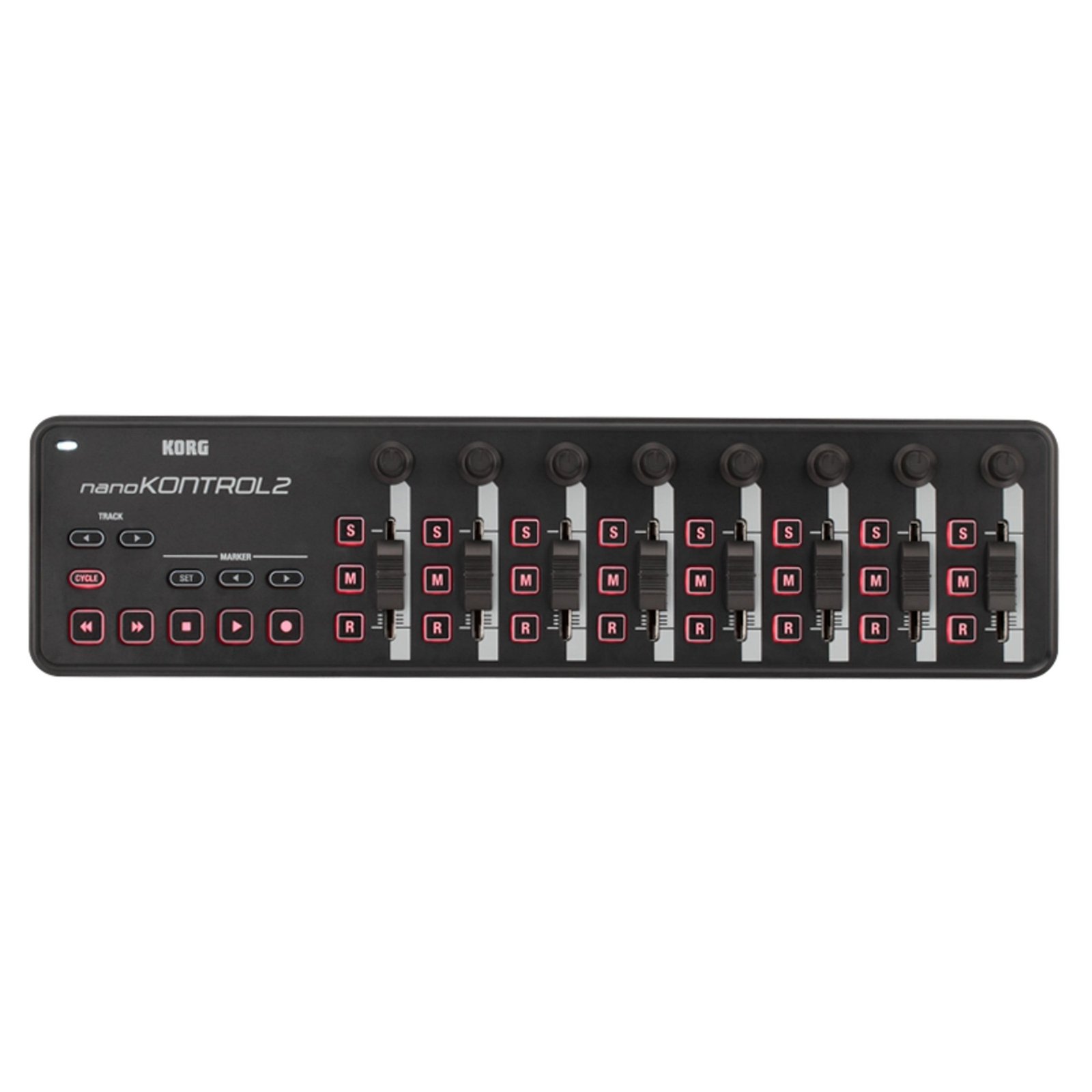
Korg nanoKONTROL2
View on Amazon →An affordable classic with 8 faders you can assign to any CC. A great way to start.
-
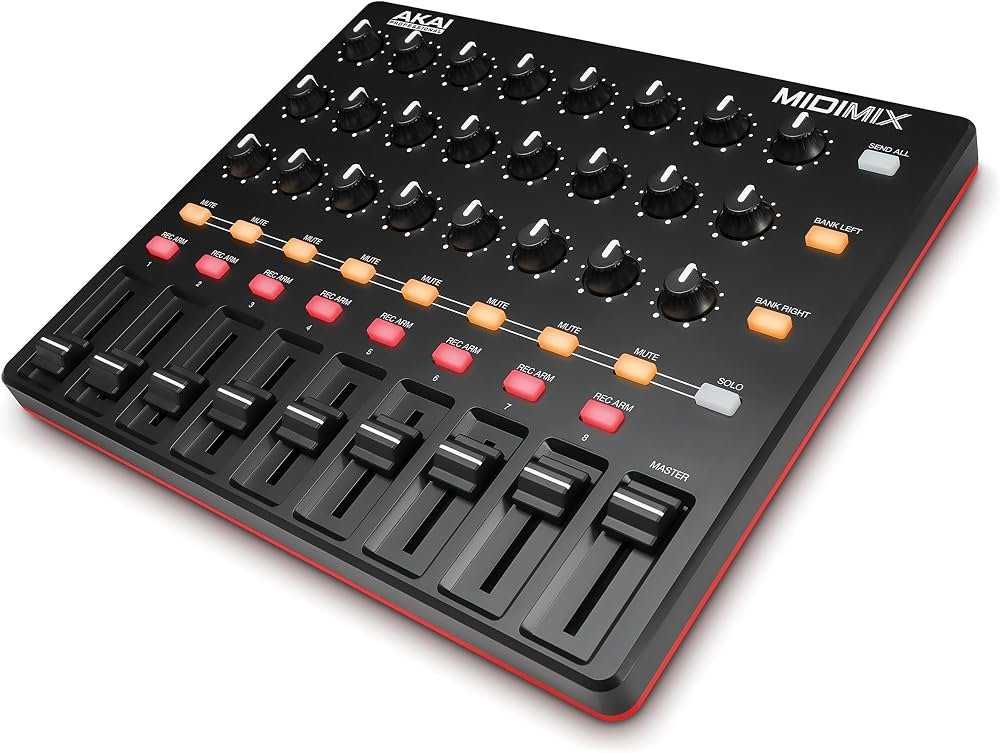
Akai Professional MIDImix
View on Amazon →9 faders, 24 knobs and 16 buttons, all assignable. Great if you want to control both your orchestral libraries and your DAW mixer from one device.
- Tip: many keyboards, like the Arturia KeyLab mk3, already include faders, so you may not need a separate controller at first.
Audio Interface
The interface connects your microphones, speakers and headphones to the computer, and is responsible for clean, low-latency sound.
-
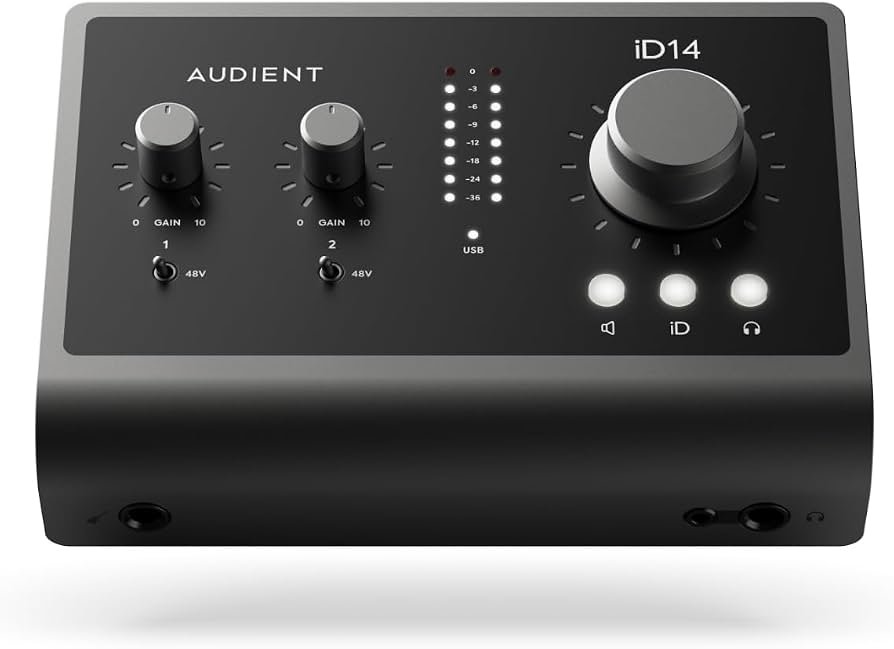
Audient iD14 MkII I use this
View on Amazon →Clean, low-noise preamps and converters, with enough inputs and outputs to grow with your studio.
Studio Monitors
Studio monitors are speakers designed to sound neutral, so you hear your music as it really is, not flattered. The right size depends on your room: small speakers are perfect for a desk in a small room, while bigger rooms benefit from larger woofers that reproduce more bass.
-
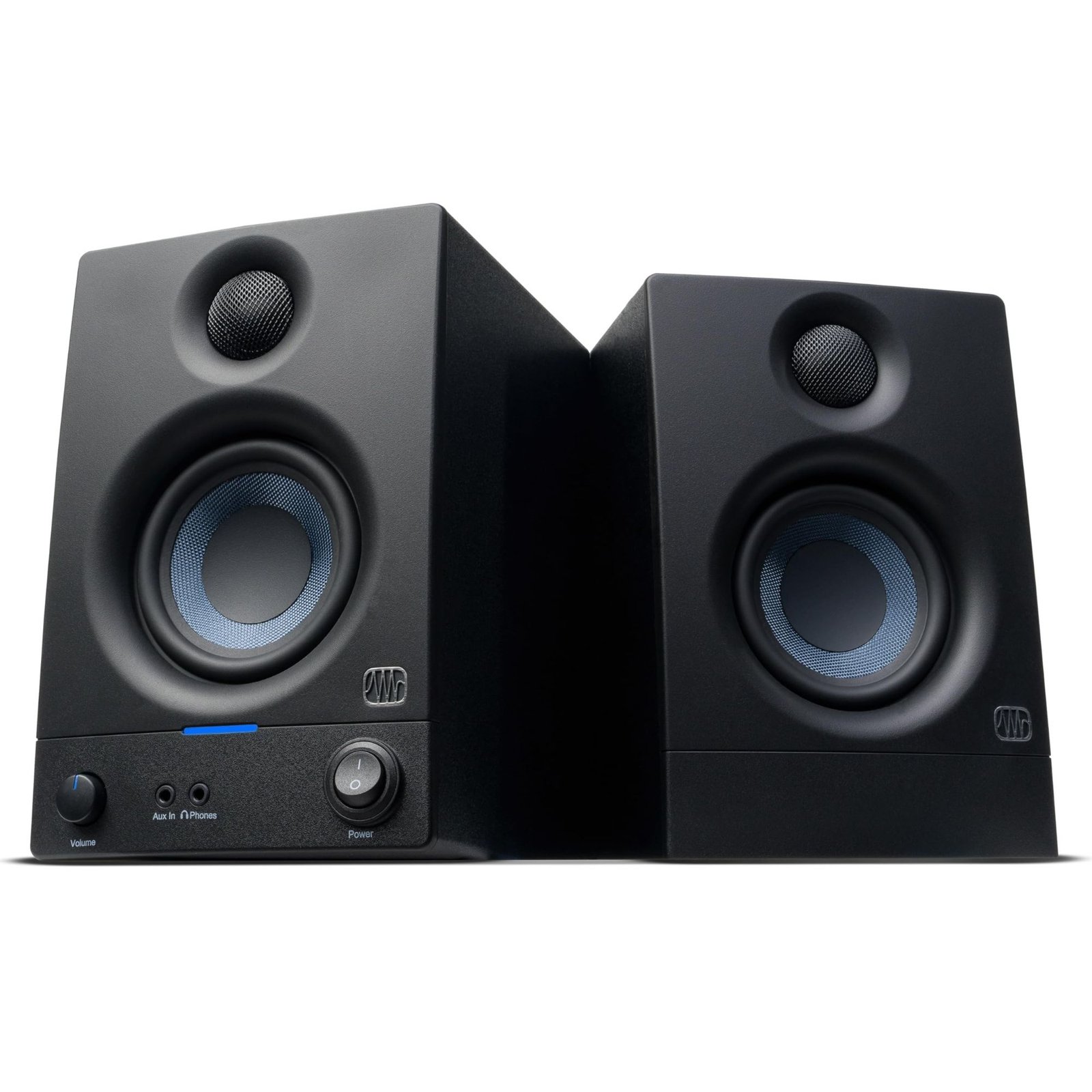
PreSonus Eris 3.5 I use this
View on Amazon →Compact and affordable, ideal for small rooms and desktop setups. They include bass and treble controls to adapt the sound to your room.
-
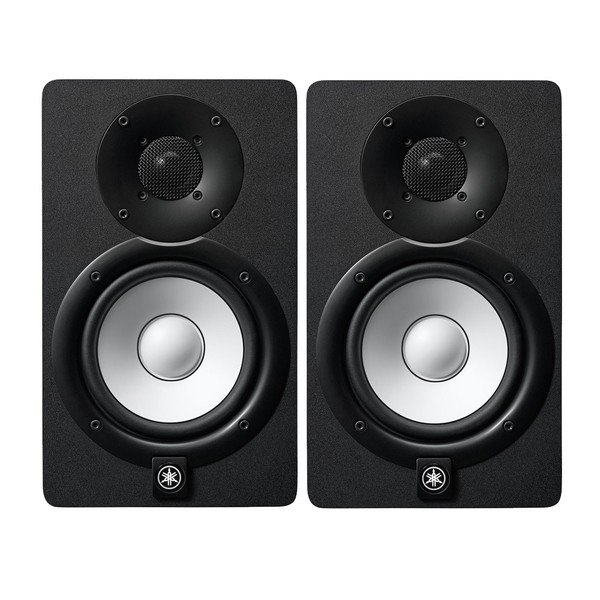
Yamaha HS5
View on Amazon →A classic reference for small to medium rooms. Honest and detailed.
Headphones
Open-back headphones for long sessions and detailed listening, closed-back ones for recording.
-
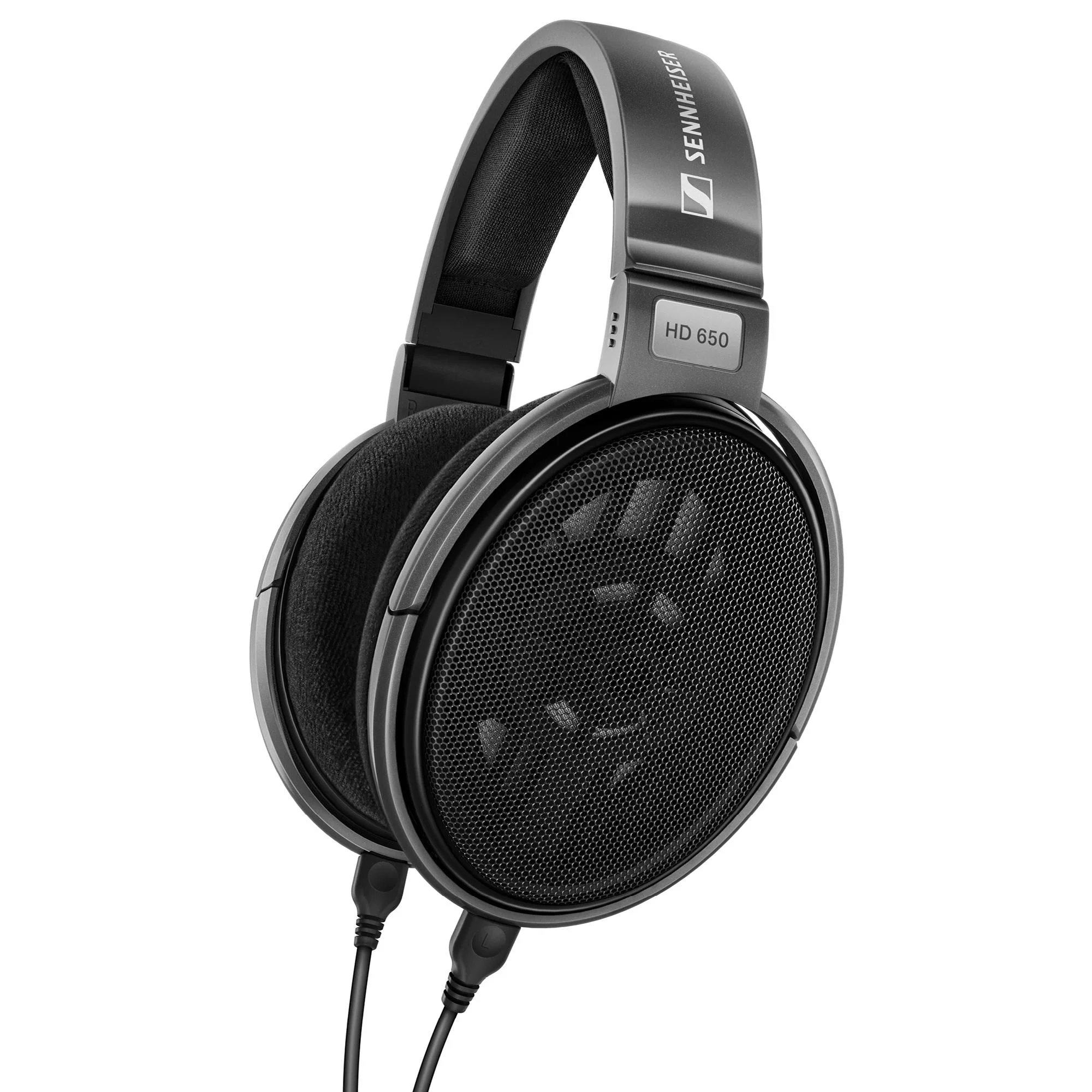
Sennheiser HD 650 I use this
View on Amazon →Open-back headphones with a natural, detailed sound, ideal for long sessions and detailed mixing.
-
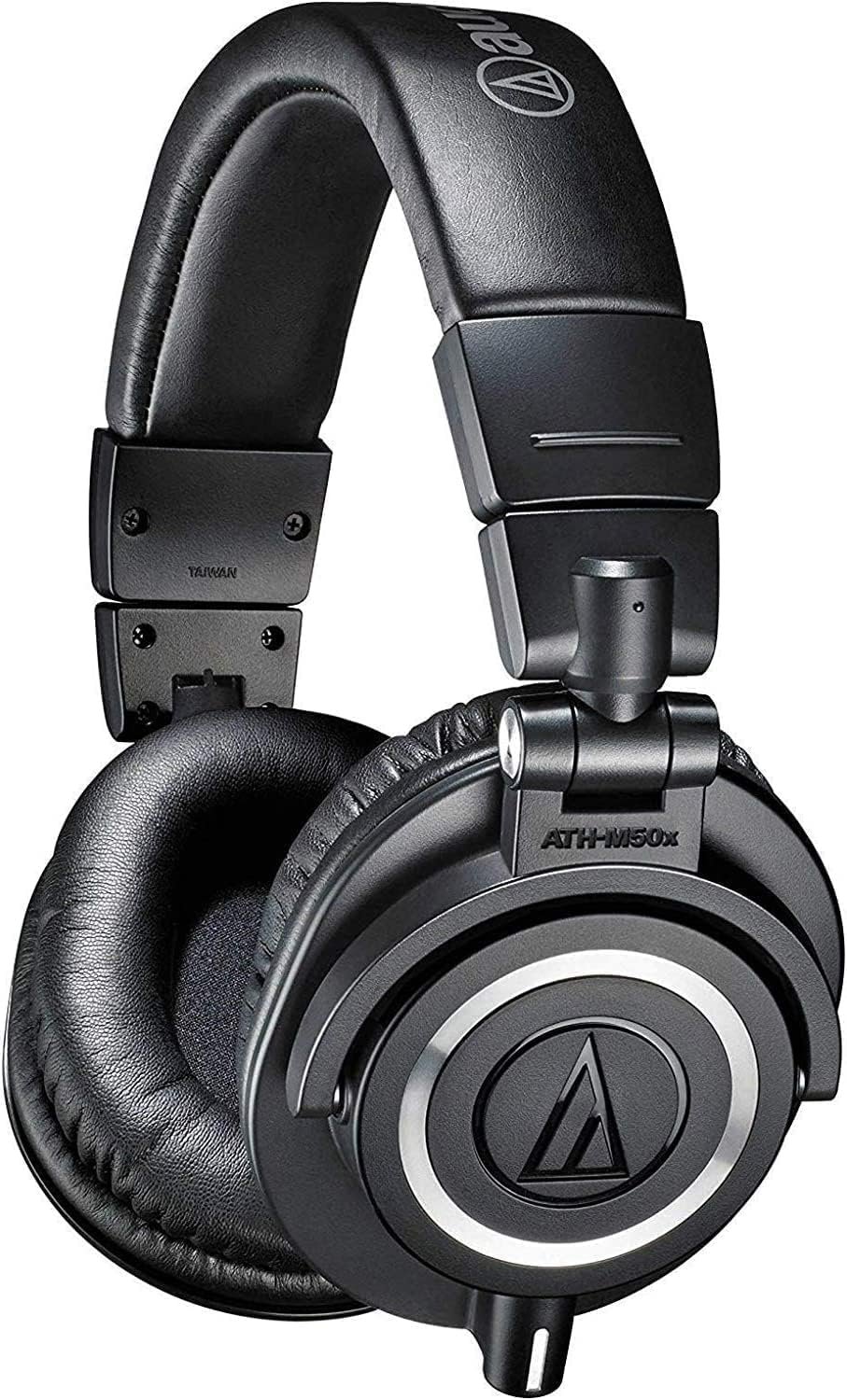
Audio-Technica ATH-M50x I use this
View on Amazon →Closed-back studio classics. Great for recording, since they don’t leak sound into the mic, and for checking mixes.
- Tip: it’s worth having more than one pair of monitors and headphones. Music sounds different on every system, and checking your cues on several helps them translate everywhere, from cinema speakers to phone earbuds.
Stream Deck
One-touch shortcuts for the things you do a hundred times a day.
-
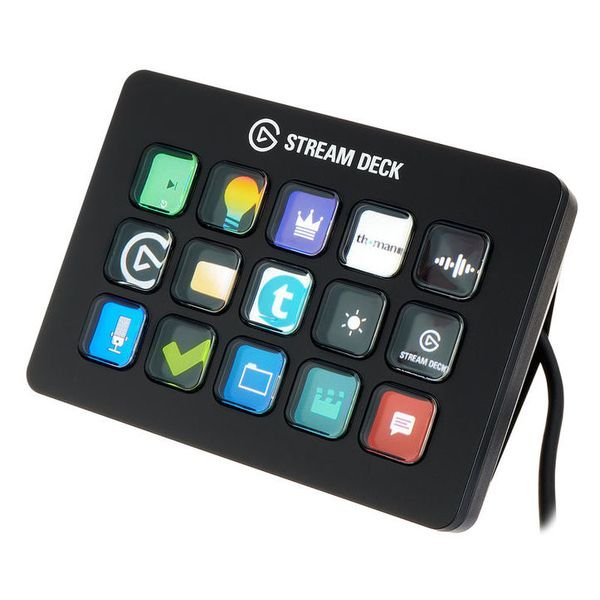
Elgato Stream Deck I use this
View on Amazon →Custom shortcut buttons for your DAW: switching articulations, adding markers, loading templates and automating repetitive tasks. It saves a lot of time on every project.
Storage
Sample libraries are huge, often hundreds of gigabytes, and they load much faster from an SSD.
-
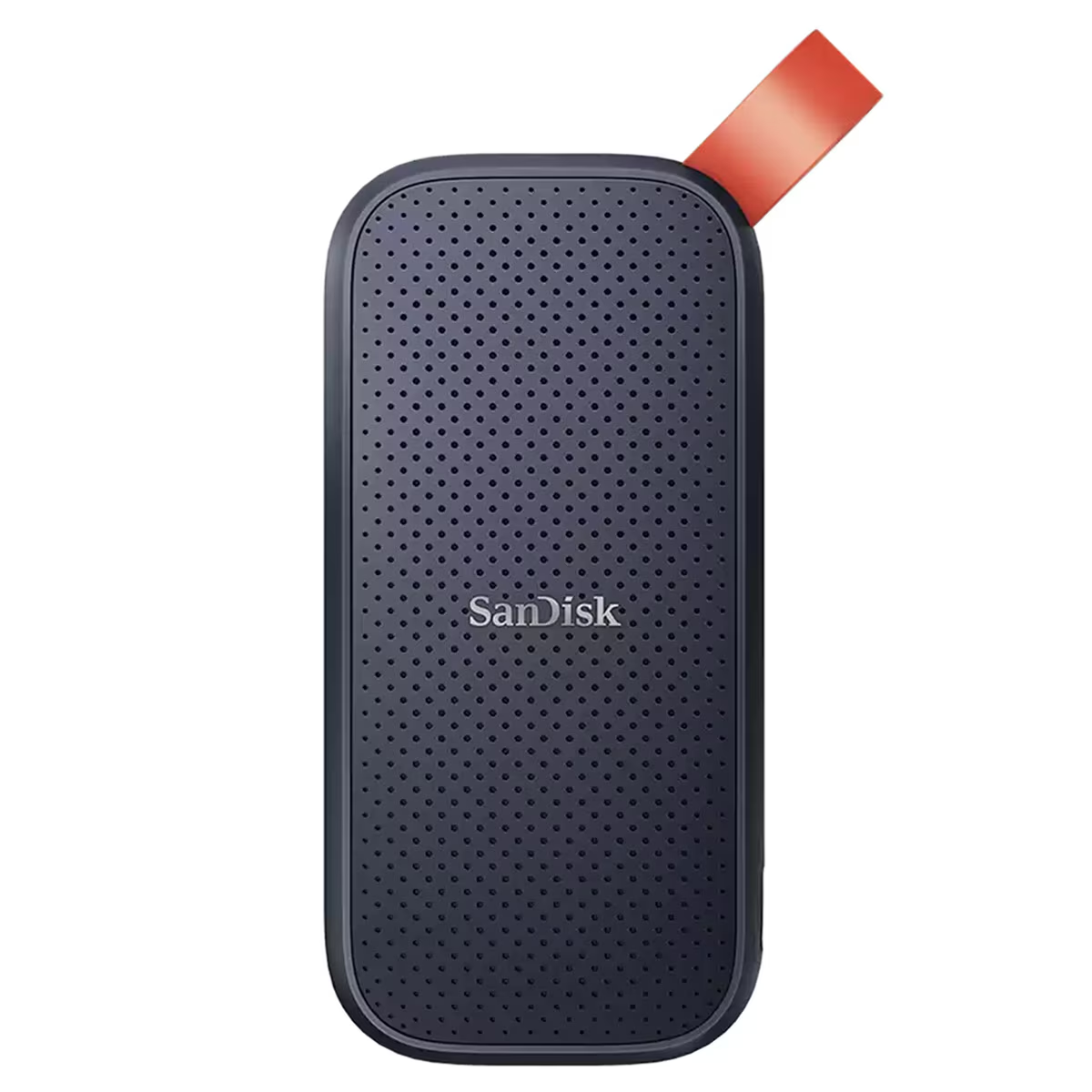
SanDisk Portable SSD 2TB I use this
View on Amazon →Fast, compact and rugged. Ideal for keeping your sample libraries or project backups.
- Tip: always keep at least one backup of your projects and libraries. An external drive is a copy, not your only copy.
Blue-Light Glasses
Long sessions are hard on the eyes. Look after them.
-
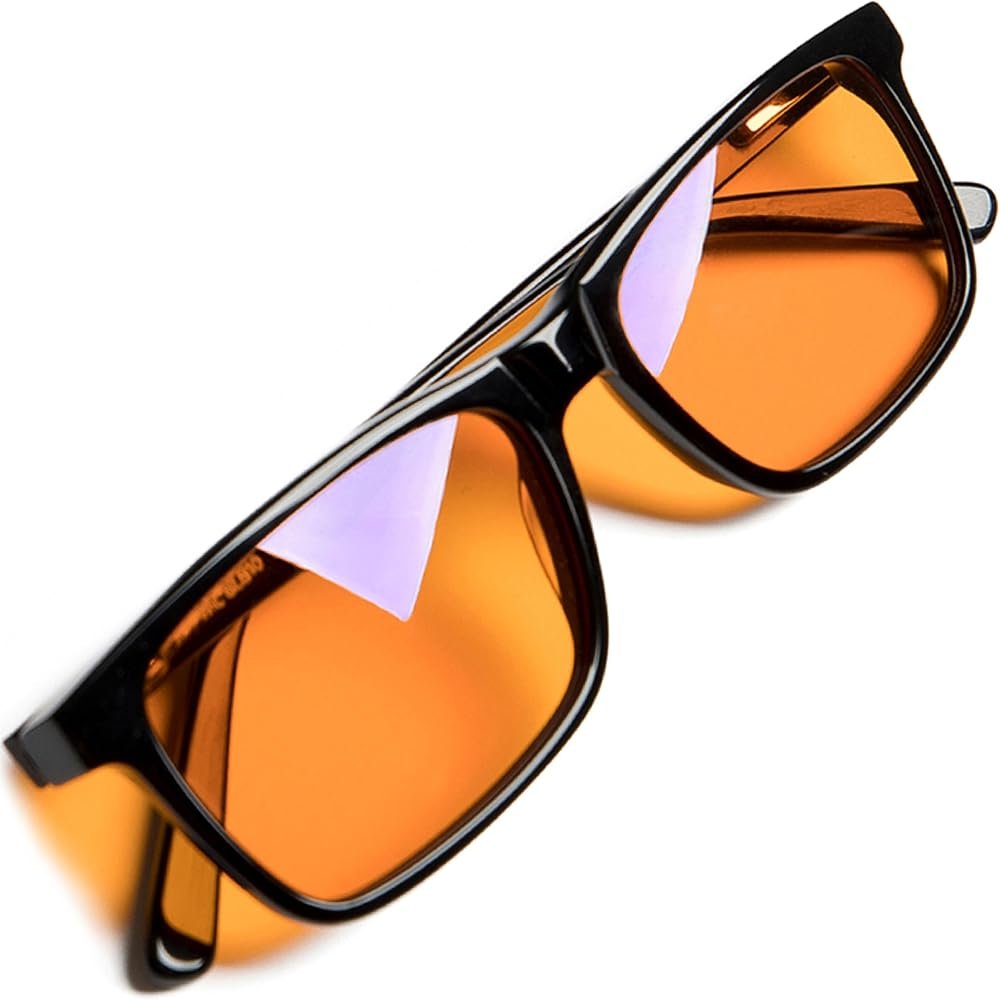
Orange/amber blue-light glasses I use this
View on Amazon →For late-night sessions in front of the screen. Orange lenses filter out most blue light, which many people find more comfortable on the eyes in the evening. There are many affordable models to choose from.
Studio Lamp
Soft, warm light for the studio, so late sessions don’t happen under a harsh ceiling light.
-
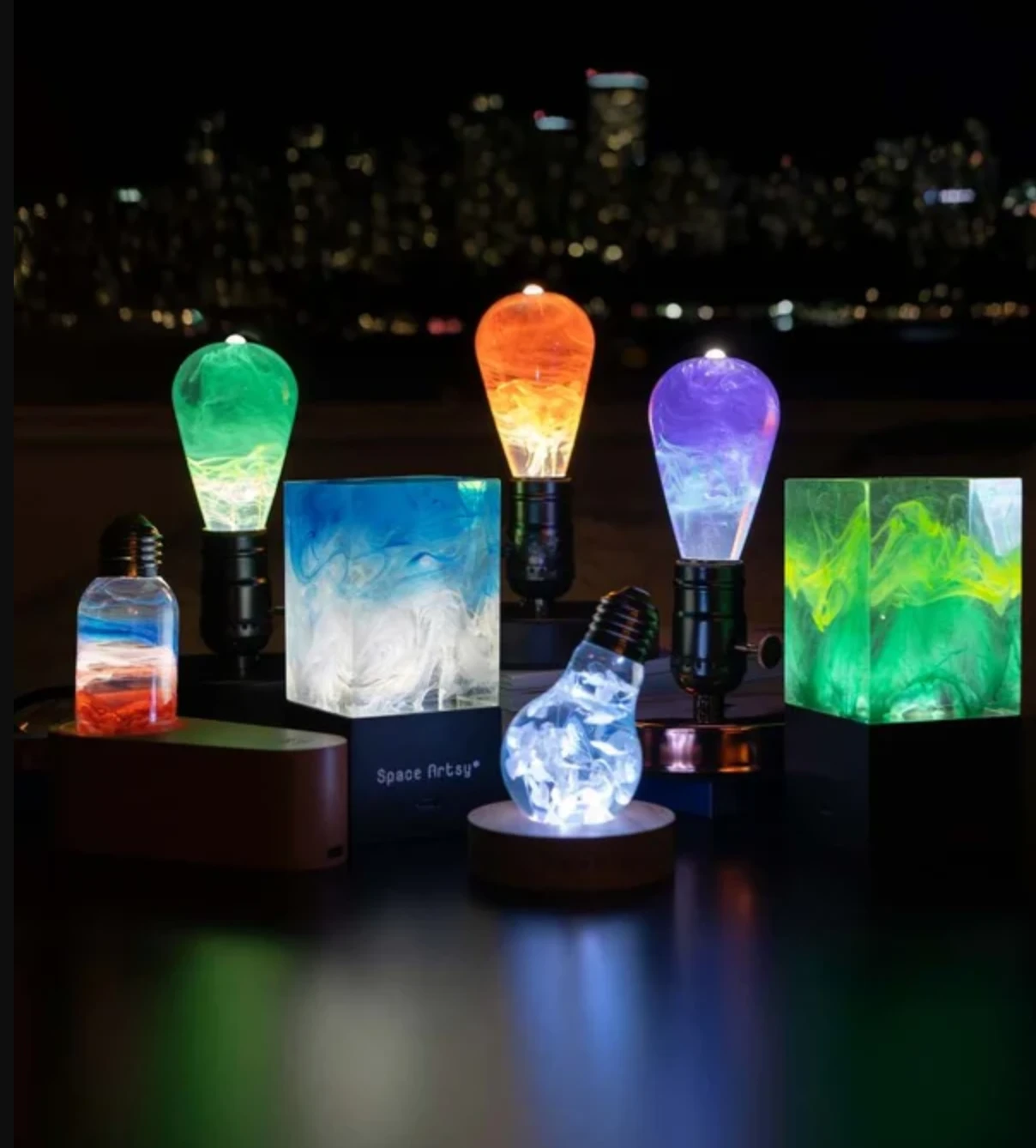
Space Artsy resin lamps I use this
View on Space Artsy →Handmade resin lamps that give the desk a soft, colourful glow.
02 — Sounds
Virtual Instruments
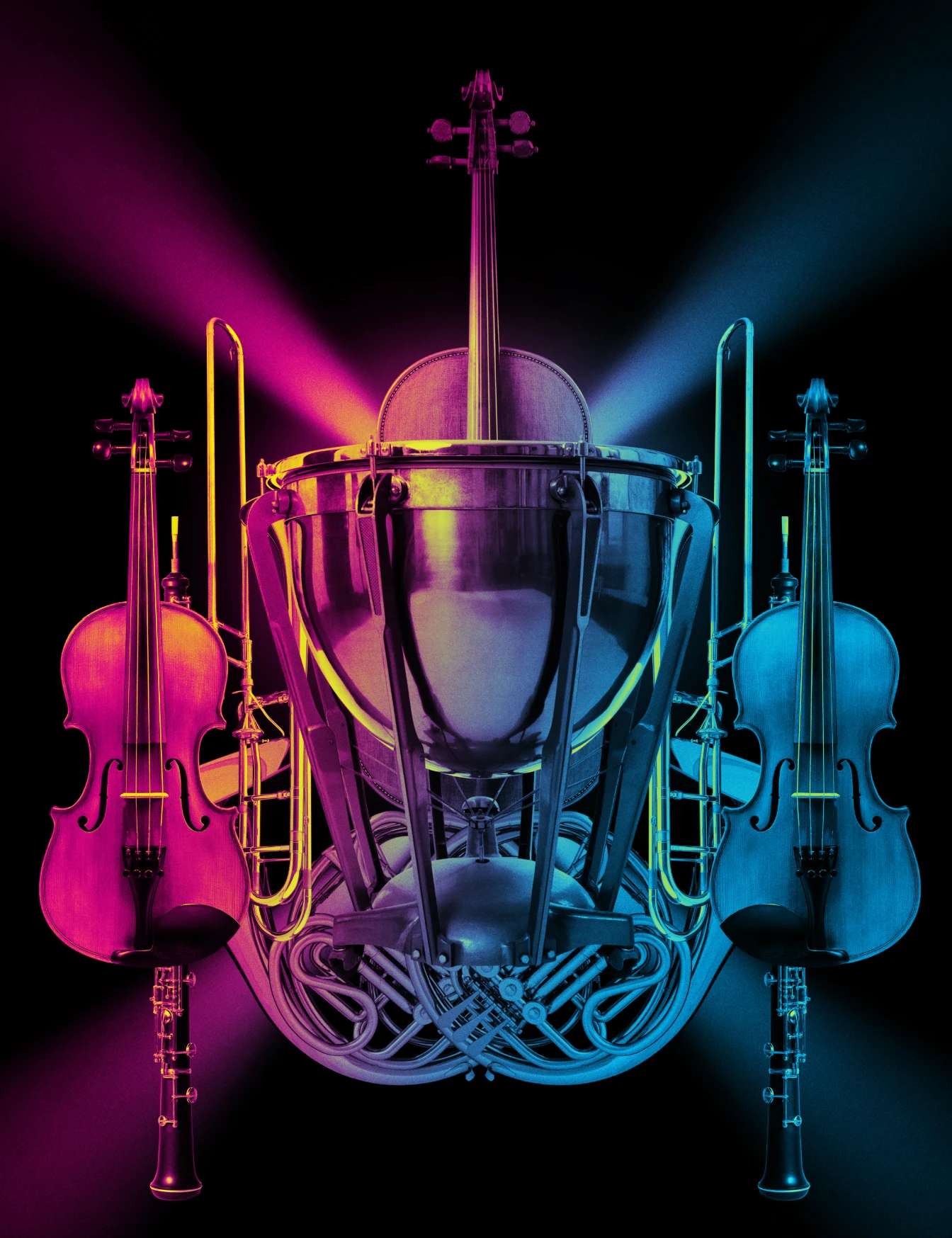
My top recommendation
EastWest ComposerCloud+
Instead of spending thousands on individual libraries, one subscription gives you access to EastWest’s entire catalogue: orchestra, choirs, pianos, world instruments and much more, including every new release while you’re subscribed.
It’s the best way to build a professional sound palette from day one without a huge upfront investment.
03 — Reading
Books
-
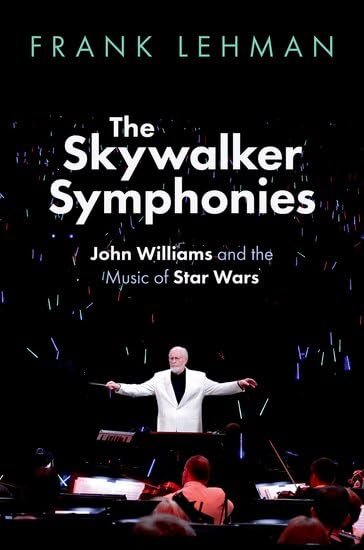
The Skywalker Symphonies
A deep yet accessible analysis of John Williams’s music for all nine Star Wars films. Essential for understanding leitmotifs and symphonic film writing.
View on Amazon → -
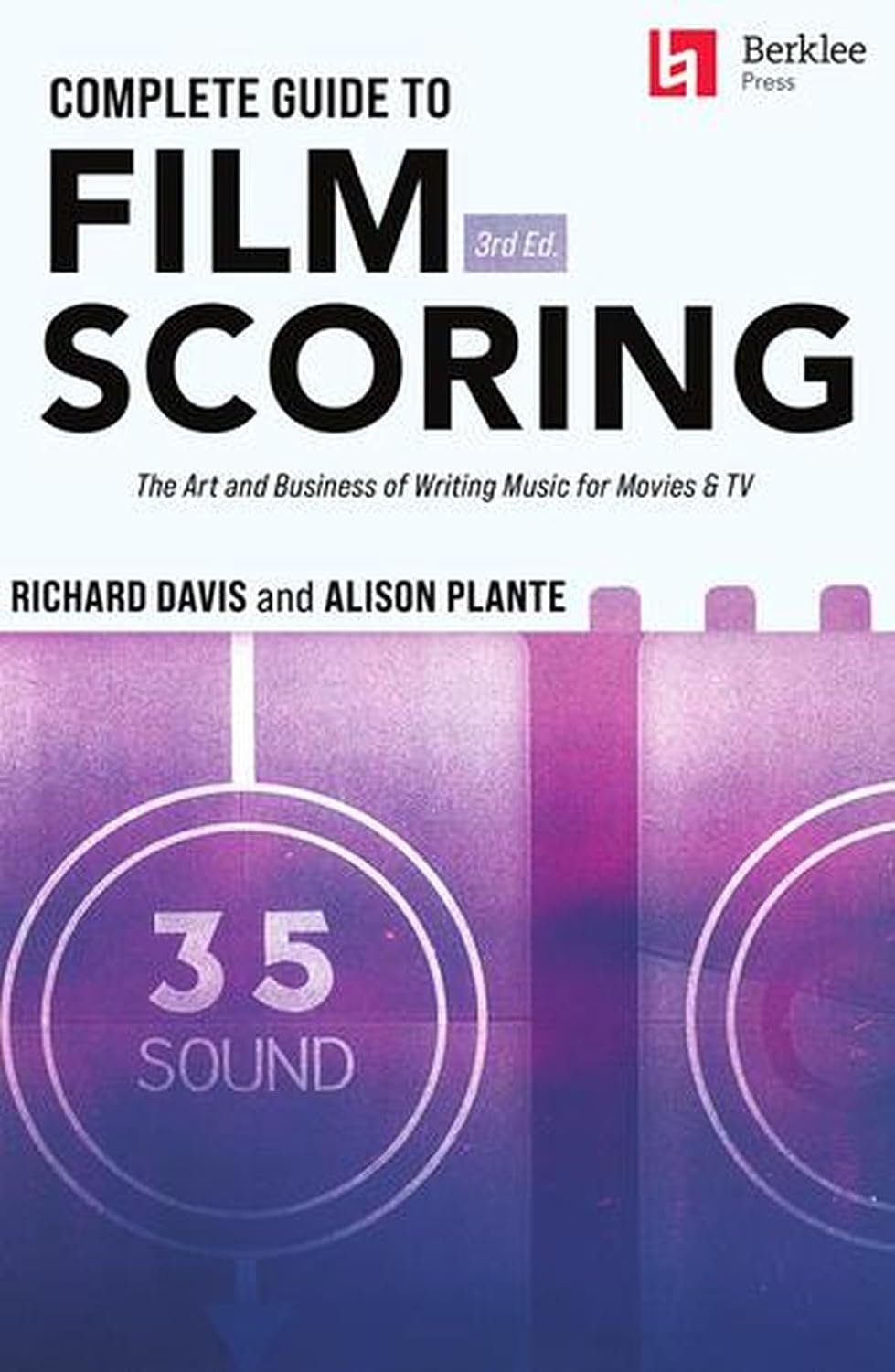
Complete Guide to Film Scoring
The Berklee guide to the craft and the business side: contracts, fees, royalties and interviews with top composers.
View on Amazon → -
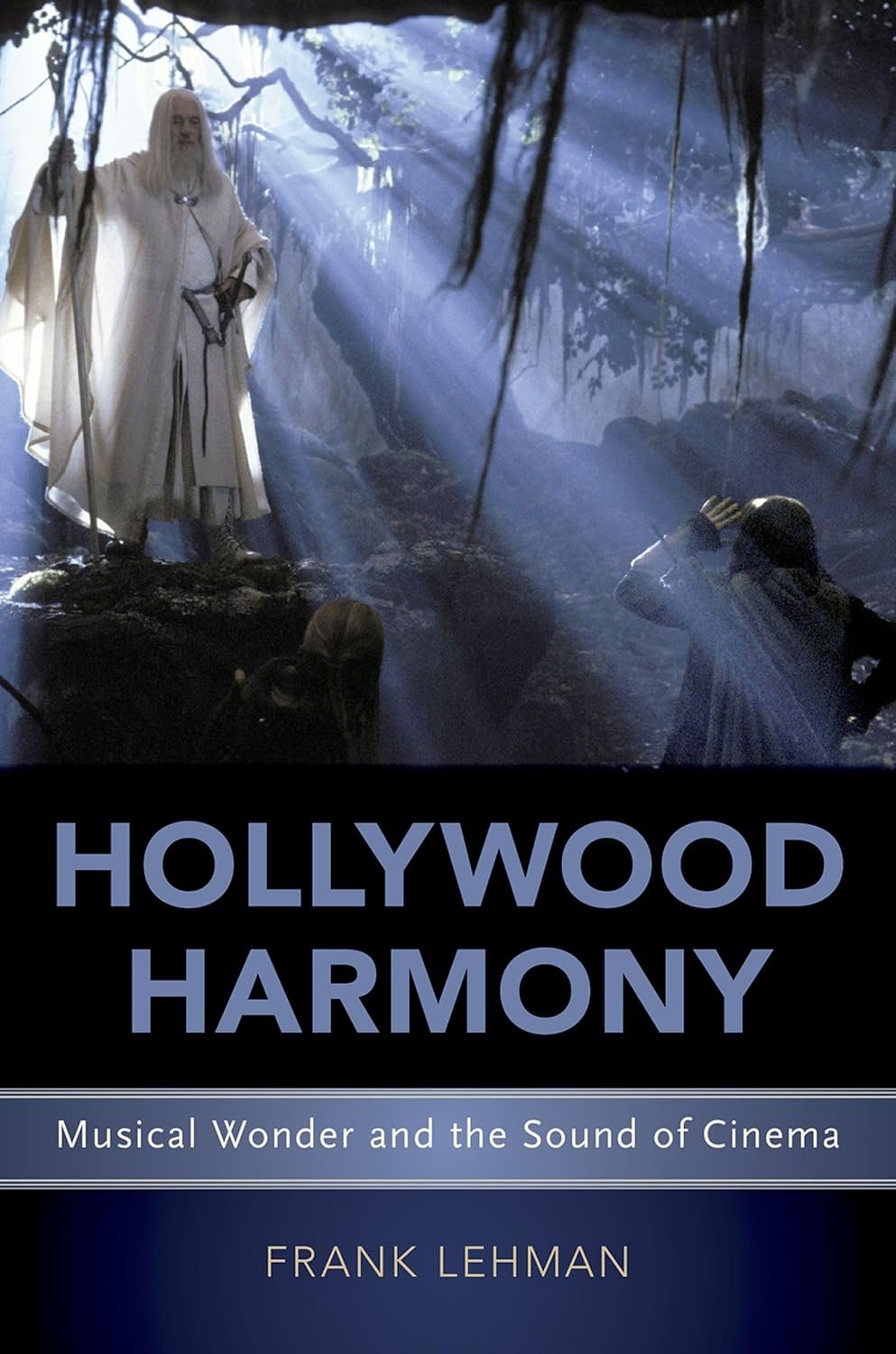
Hollywood Harmony
An analysis of the harmonic techniques that make film music sound “cinematic”.
View on Amazon →
Some links on this page are affiliate links. As an Amazon Associate I earn from qualifying purchases, at no extra cost to you.